
1958
8 imagesBrowse the seeded reference-design dataset by state, style, firm, residential type, and award provenance.

Significant not only as a house, but as a fusion of modernist domestic architecture, art patronage and museum culture.

Important for its structural expression, dramatic butterfly roof and reinvention of the Australian holiday house.
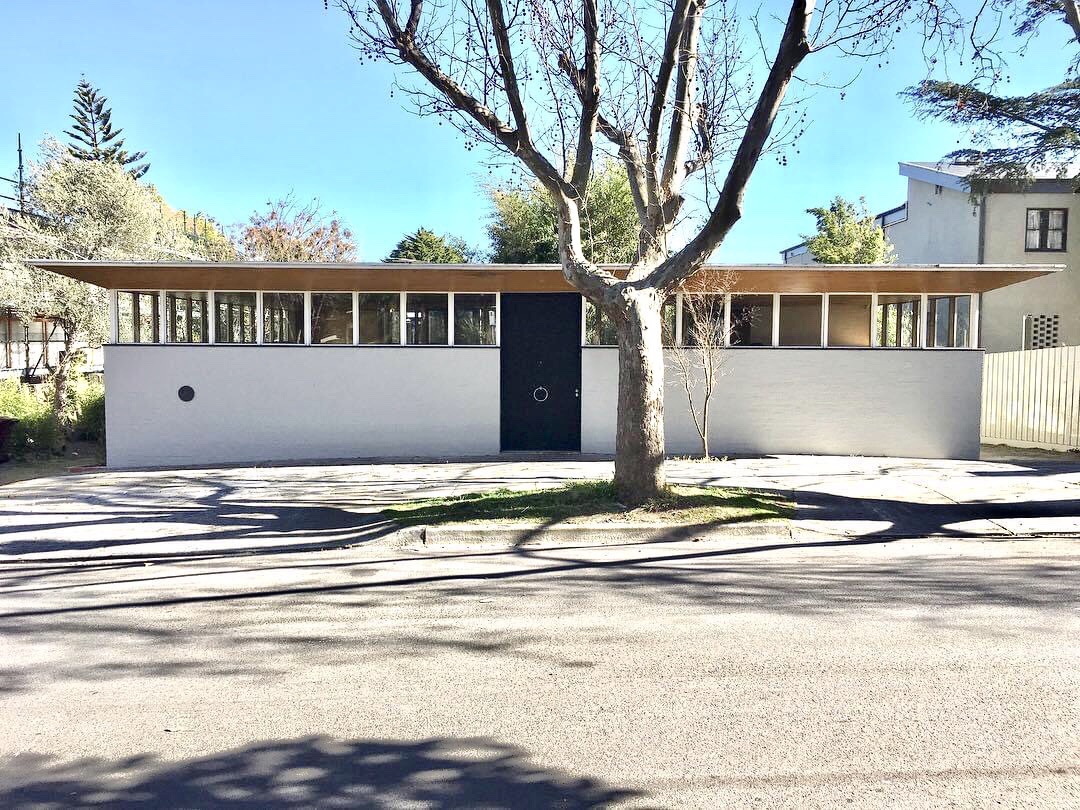
A high point of geometric experimentation in Victorian domestic modernism.

One of the best-known houses in Australian architectural history: technically inventive, inward-looking, and deeply influential in its courtyard planning and indoor-outdoor spatial model.
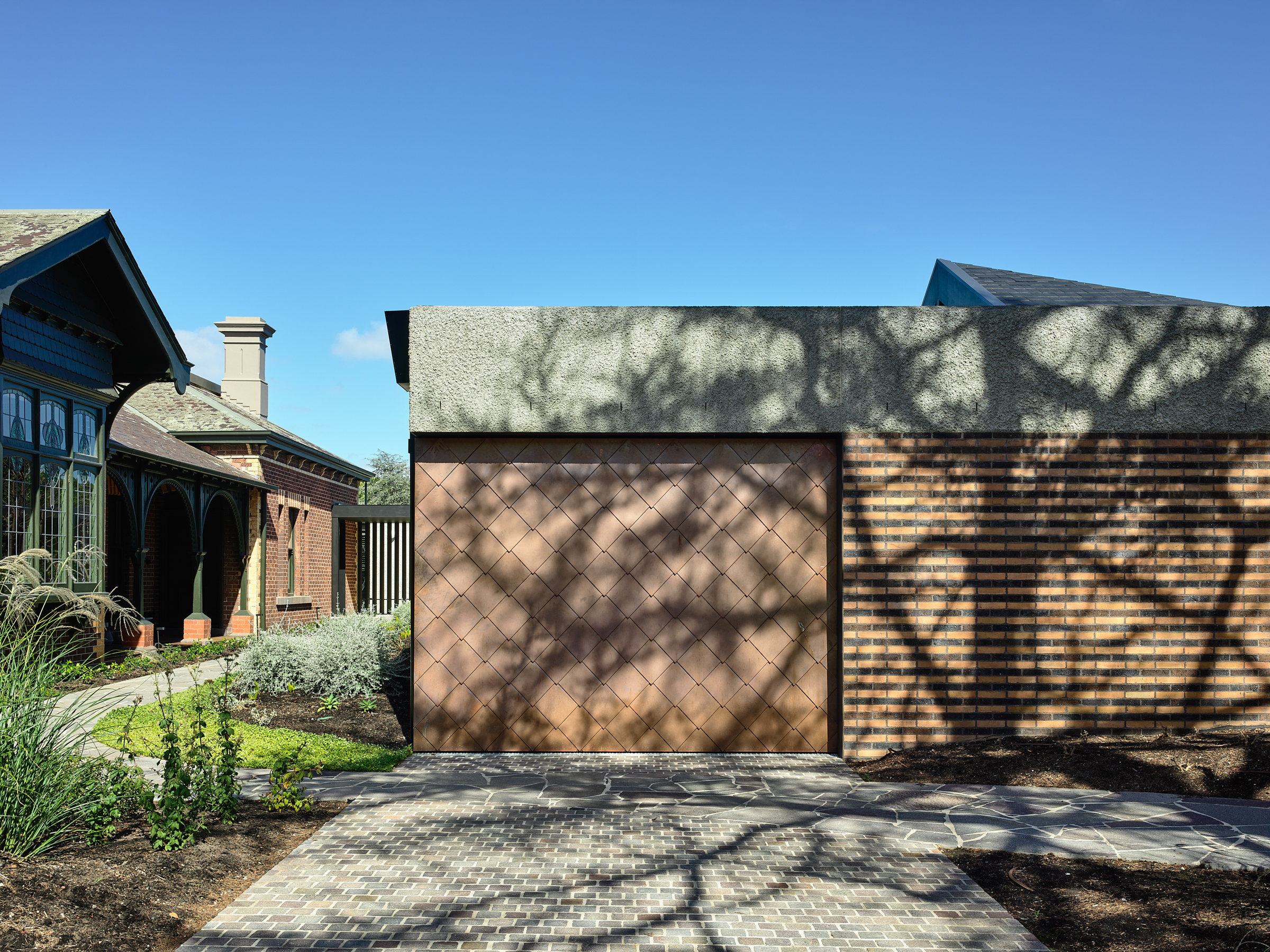

Inspired by the history of the Wye River region, this pro bono rebuild is all about the humble beach shack vernacular. Our clients embraced all the ideas we brought to the table. A rationale floor plan folds inwards, moving from public zones into increasing layers of privacy. Externally the need for privacy is resolved through a series of windows moving from larger to smaller. A steep site presented many challenges, each resolved through clever details. For instance, custom guttering and balustrade design. A self-contained unit occupies the lower floor, with its own entrance. The upper level residence can be closed off completely. Upstairs, all attention is to the views. Large windows draw nature inside. The Barestone cladding is a deliberate nod to the traditional holiday homes that dot the region. Inside, simple and practical white cabinetry and white walls sets a minimal backdrop for living

In the architecturally curated landscape of Barwon Heads Golf Club, we designed a residence that redefines privacy within a dense neighbourhood. The concept revolves around a central courtyard. Rather than opening up to the street, the design turns inward, creating a sense of sanctuary amid the surrounding development. Materiality plays a crucial role in achieving this sense of enclosure. A robust rammed earth base grounds the structure, while a delicate timber-screened veil shrouds the exterior. Both offer protection from prying eyes. The combination of solid and permeable elements creates a dynamic interplay of light and shadow. The floor plan tells a story of purposeful demarcation. It is elegant simplicity, with zones windmilling around the central courtyard. Rammed earth walls act as natural dividers, clearly defining three distinct zones: a guest and service wing, a central living area, and a private family wing. Portal passageways connect these spaces, creating a journey through the home. Large glass expanses contrast with the solidity of the rammed earth, blurring the lines between inside and out. This interplay enhances the feeling of spaciousness while maintaining the core concept of a protected, private realm. his is a home that invites contemplation, offering its inhabitants a true sense of retreat.
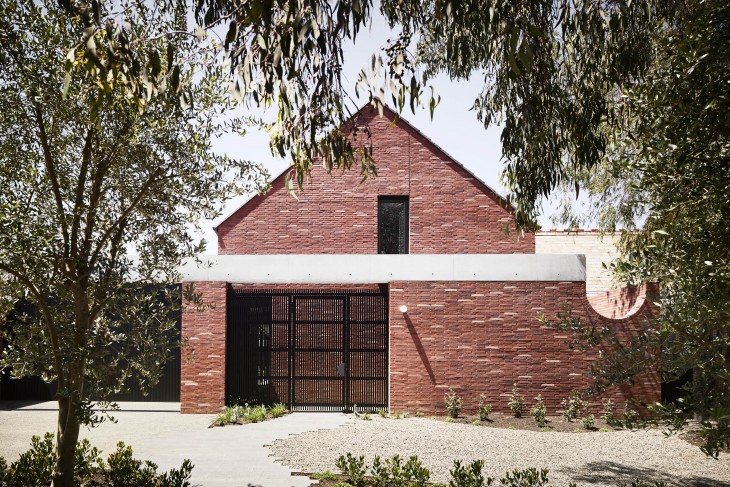
Contextually responsive intergenerational home that reinterprets traditional forms through courtyards, masonry walls, and a central timber volume.

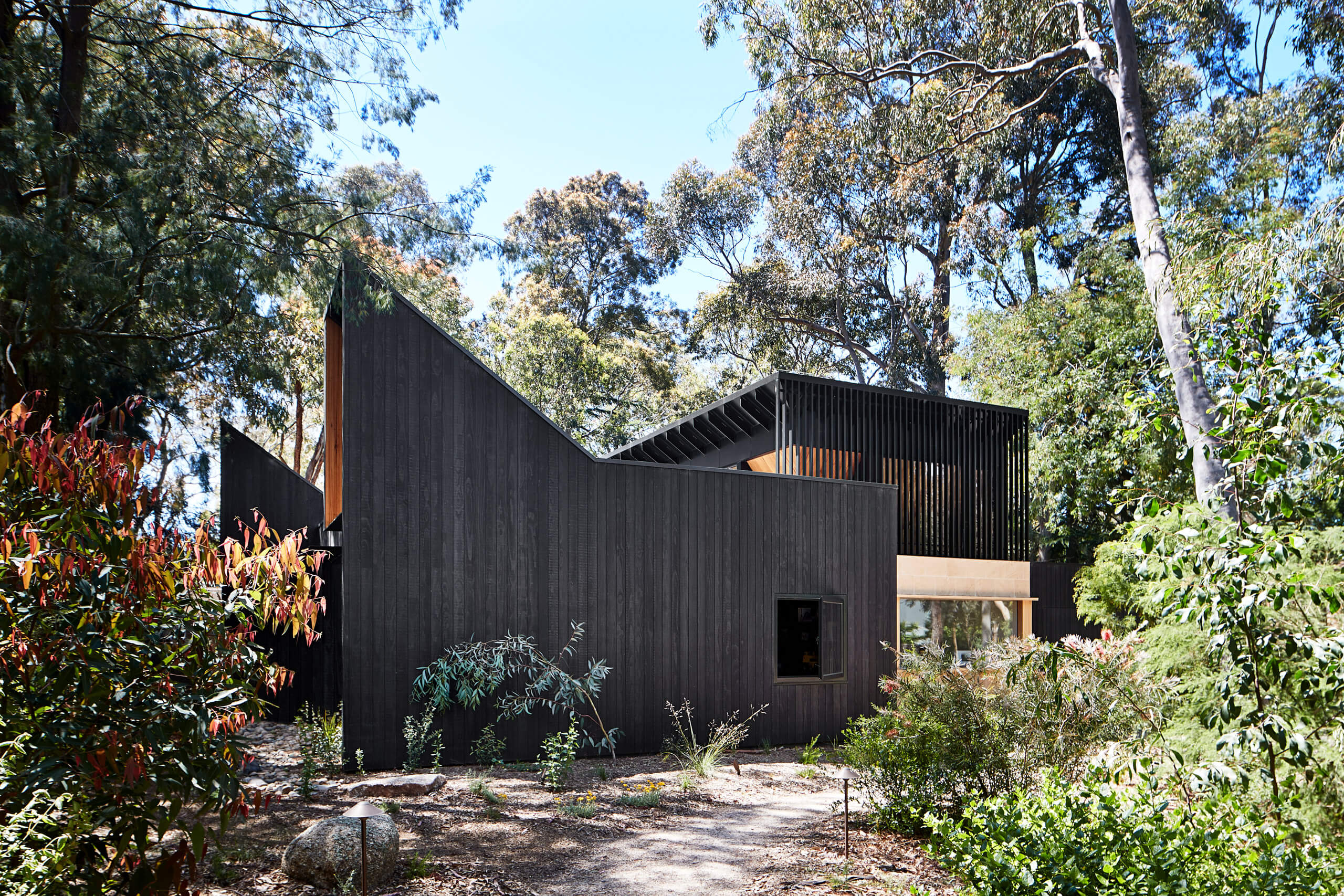



National Heritage–listed mansion and pleasure garden; main house designed by Joseph Reed of Reed & Barnes (1864–1868) for Frederick Sargood.
