1958
8 imagesBrowse the seeded reference-design dataset by state, style, firm, residential type, and award provenance.
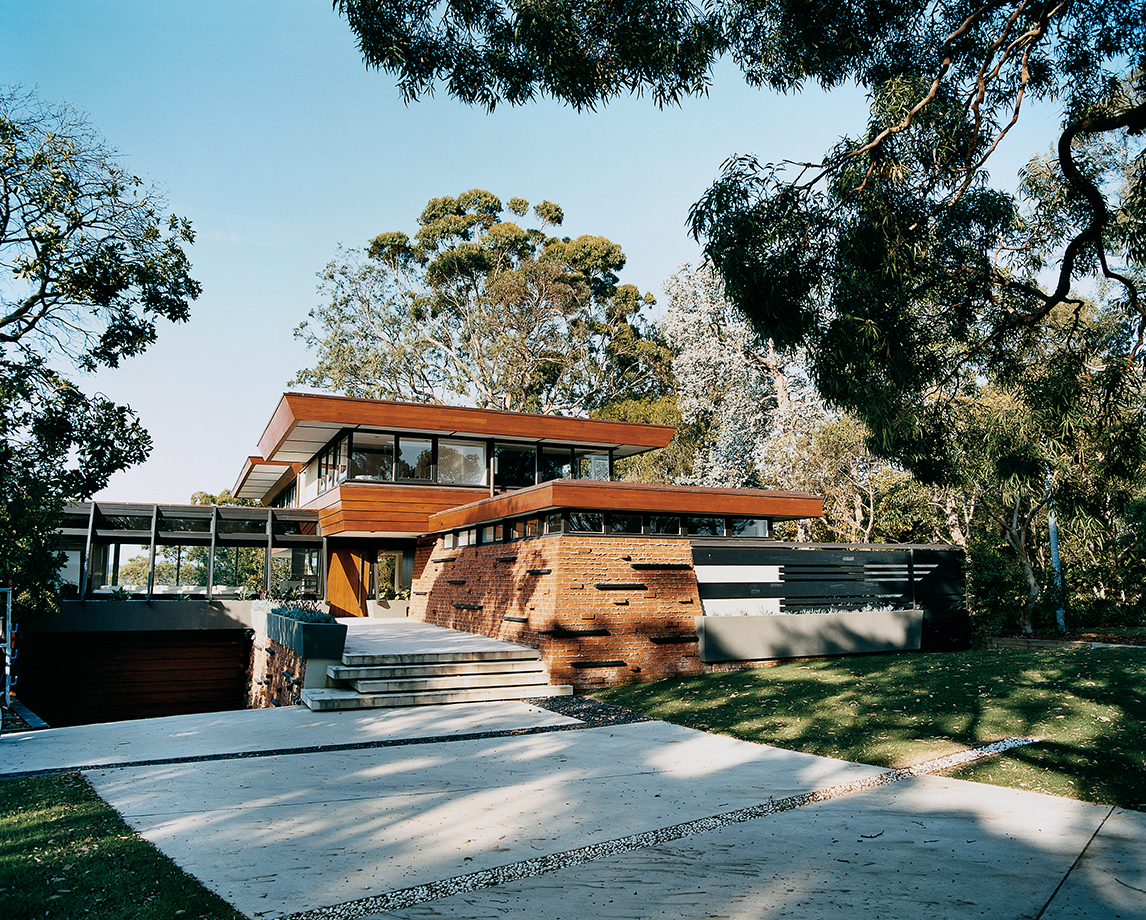
A foundational work of Australian organic modernism.

One of the earliest major statements of international-style domestic modernism in Australia.

A landmark late-modern / brutalist house and one of the most important architect’s own houses in the country.
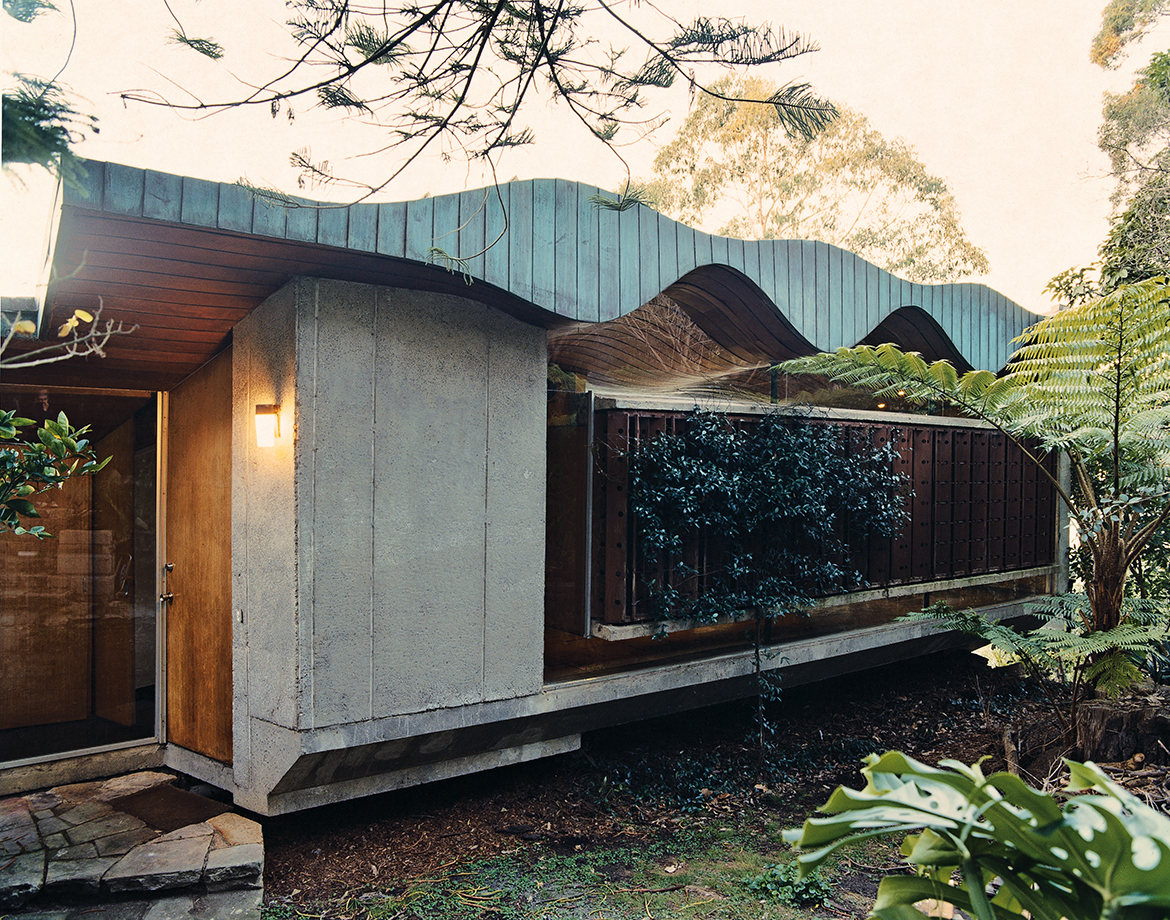
A late modern Castlecrag house by Hugh and Eva Buhrich.
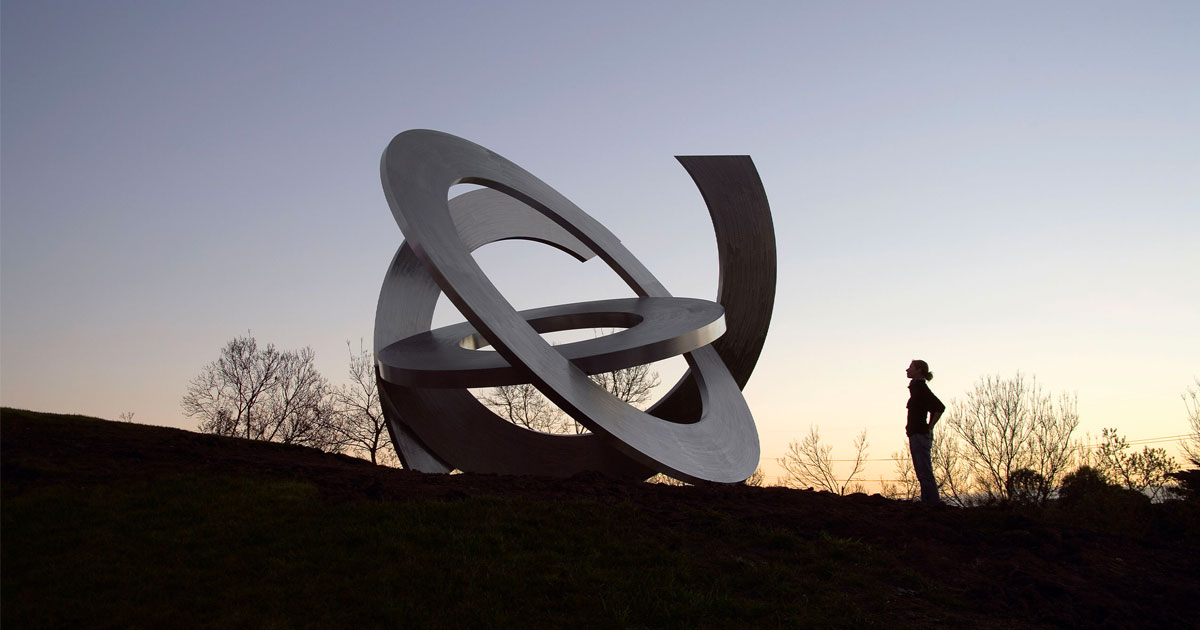
Significant not only as a house, but as a fusion of modernist domestic architecture, art patronage and museum culture.
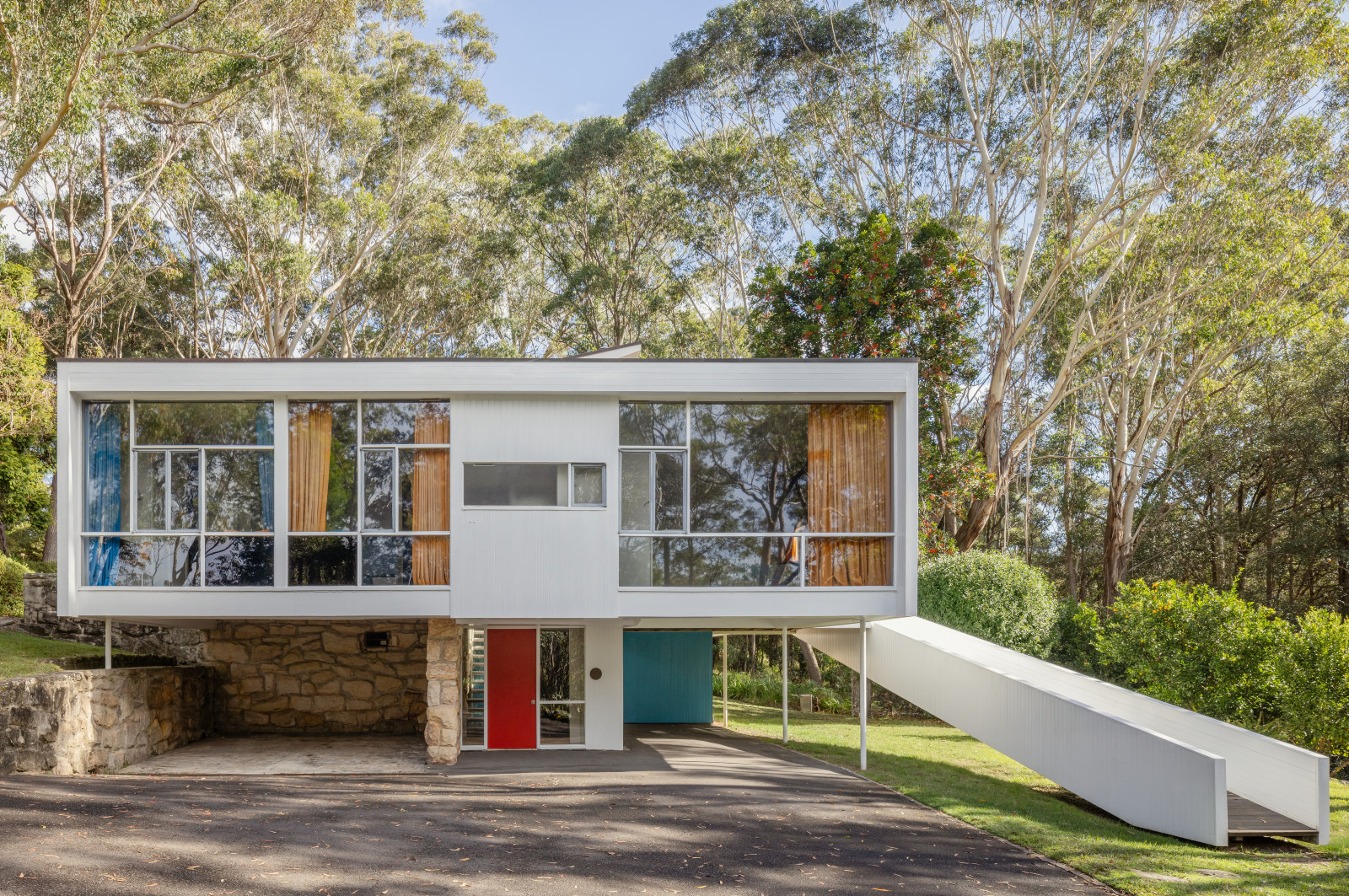
The clearest early manifesto of postwar international modernism in Australia.
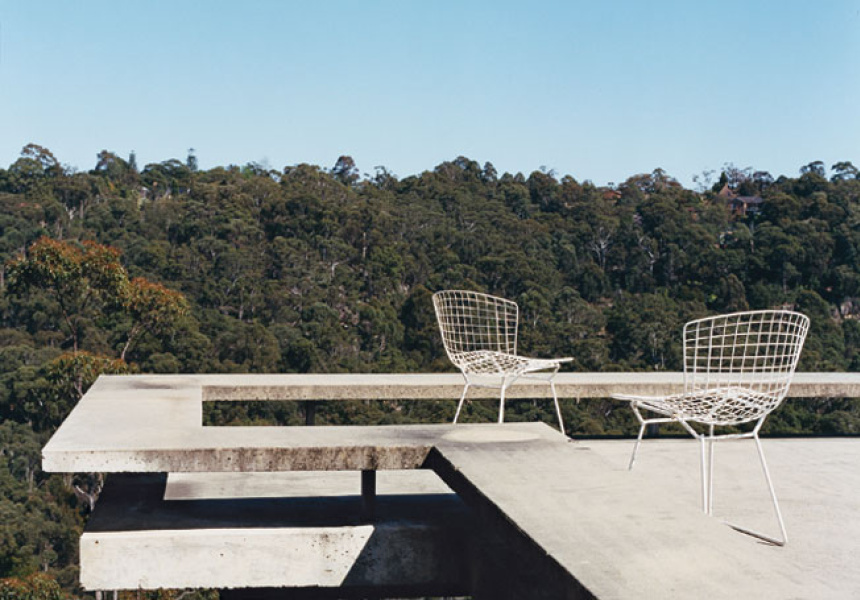

Included because it is not just a fine Boyd house, but a major Canberra modernist work with clear heritage recognition and a strong intellectual-cultural afterlife.

Important for its structural expression, dramatic butterfly roof and reinvention of the Australian holiday house.
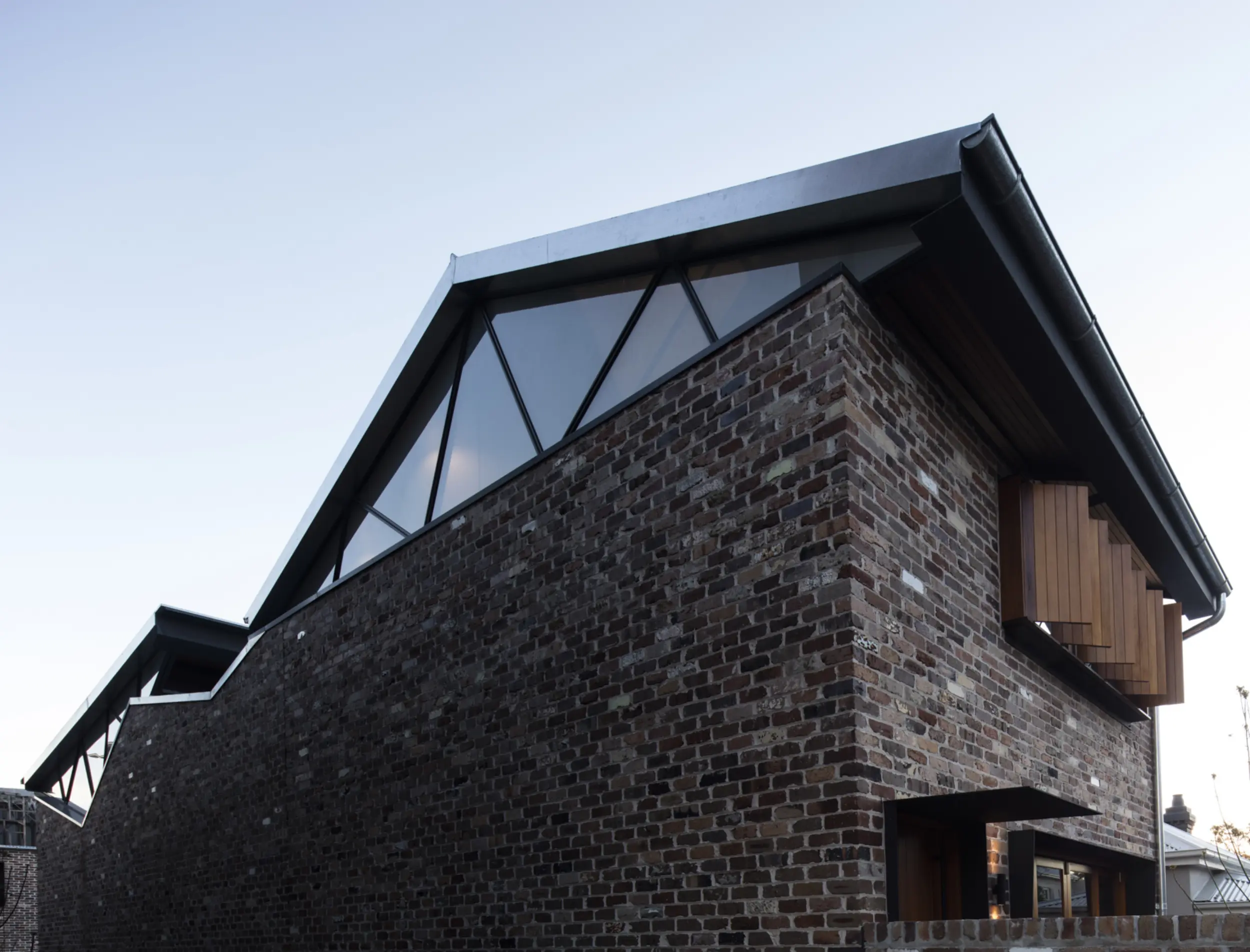
A multi-level urban home that adapts industrial traces into a light-filled domestic sequence of courtyards, balconies, exposed brick walls, and a skylit void.
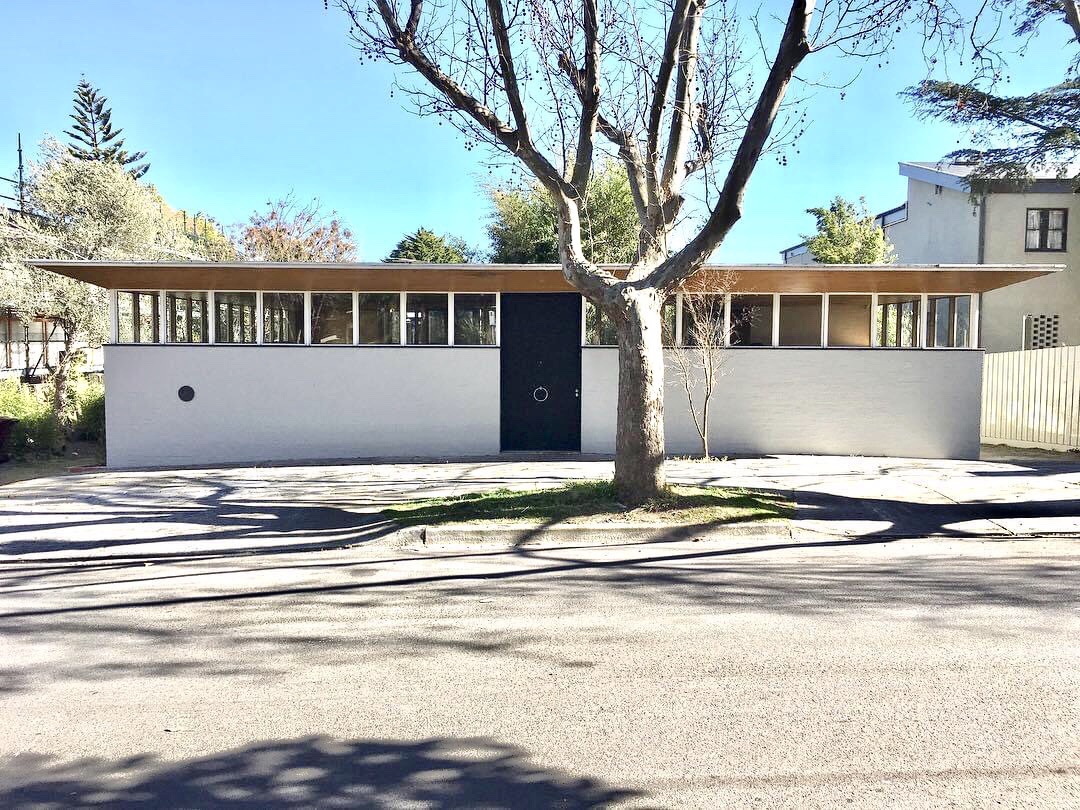
A high point of geometric experimentation in Victorian domestic modernism.
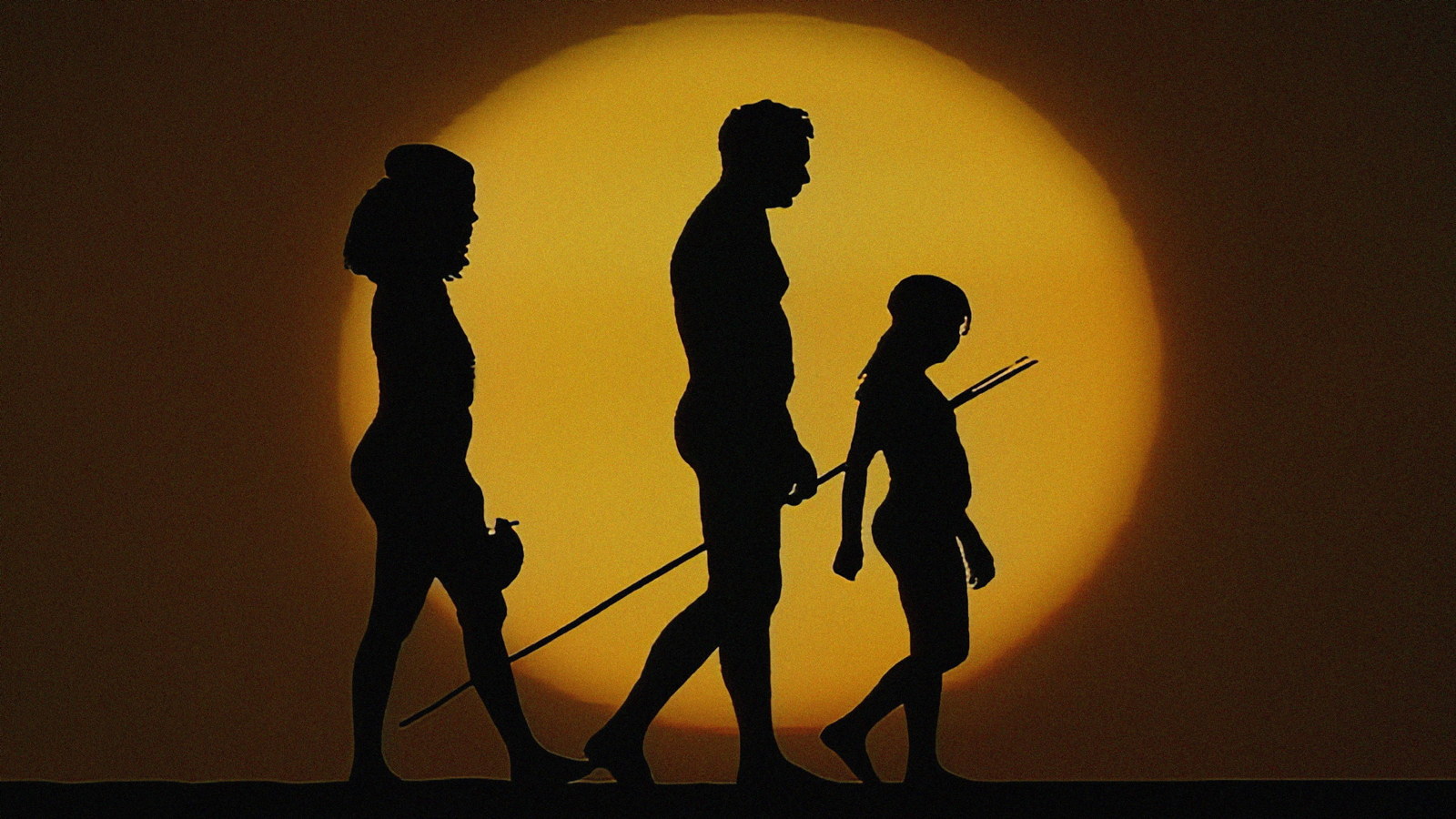
One of the best-known houses in Australian architectural history: technically inventive, inward-looking, and deeply influential in its courtyard planning and indoor-outdoor spatial model.
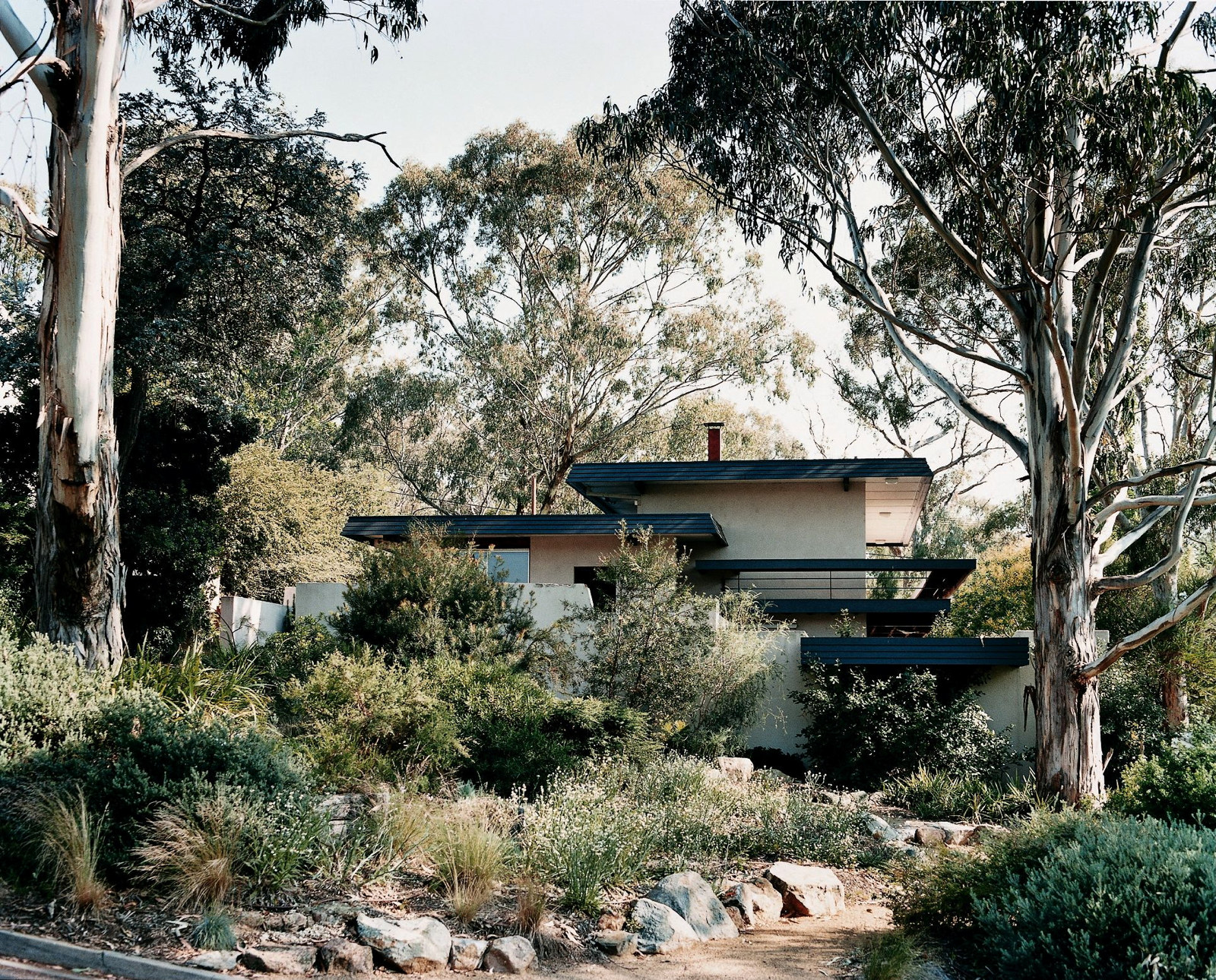
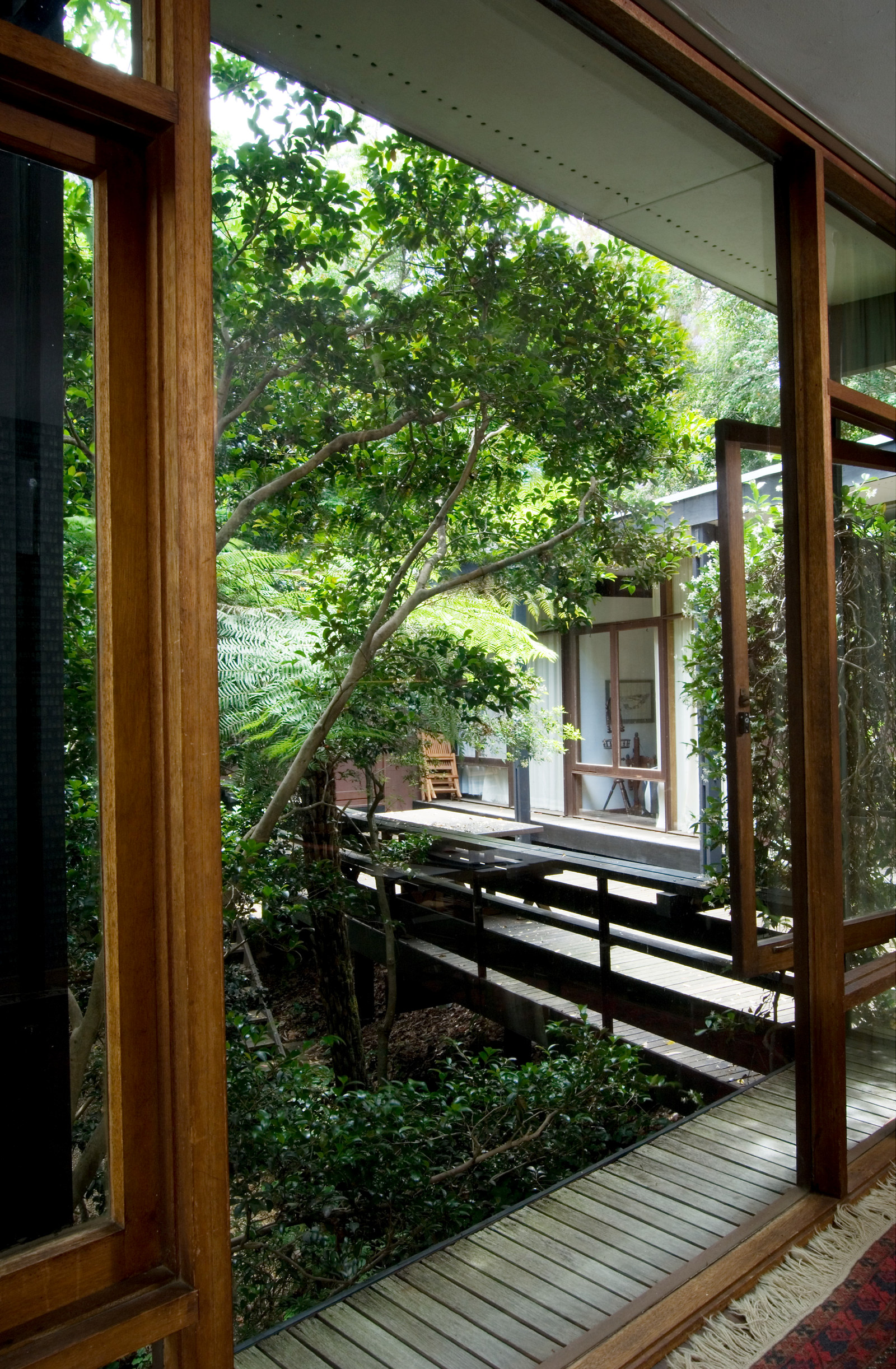
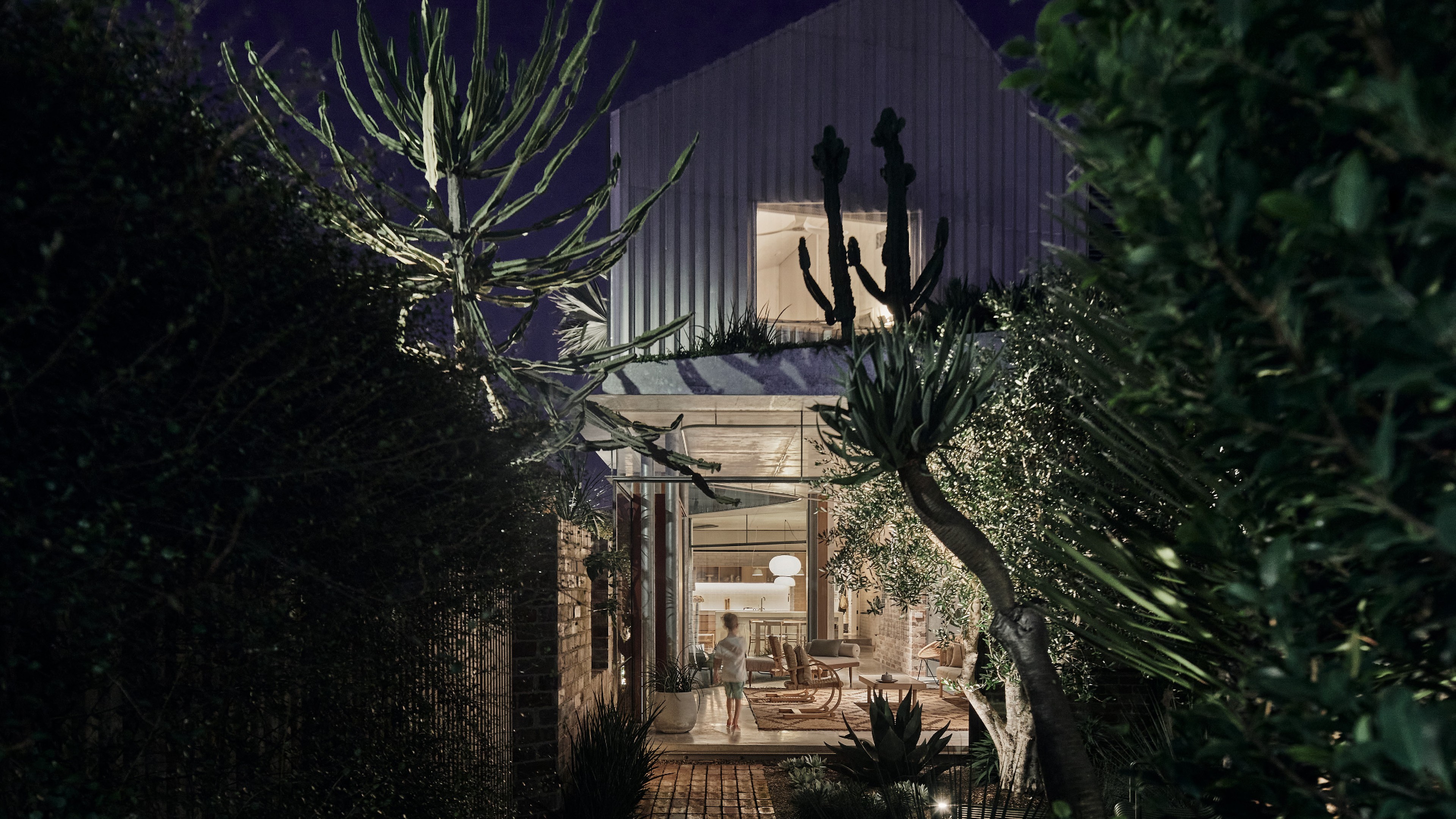
A compact semi reworked with a screened upper level, garden-focused living spaces, and a robust lower-floor material palette tied closely to the landscape.
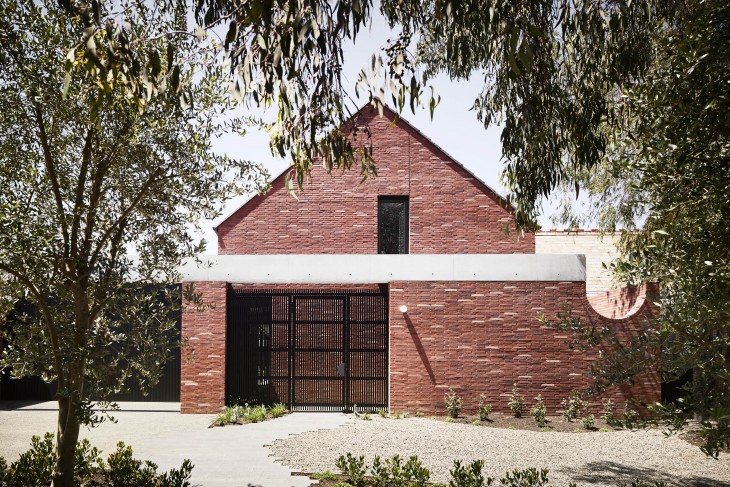
Contextually responsive intergenerational home that reinterprets traditional forms through courtyards, masonry walls, and a central timber volume.
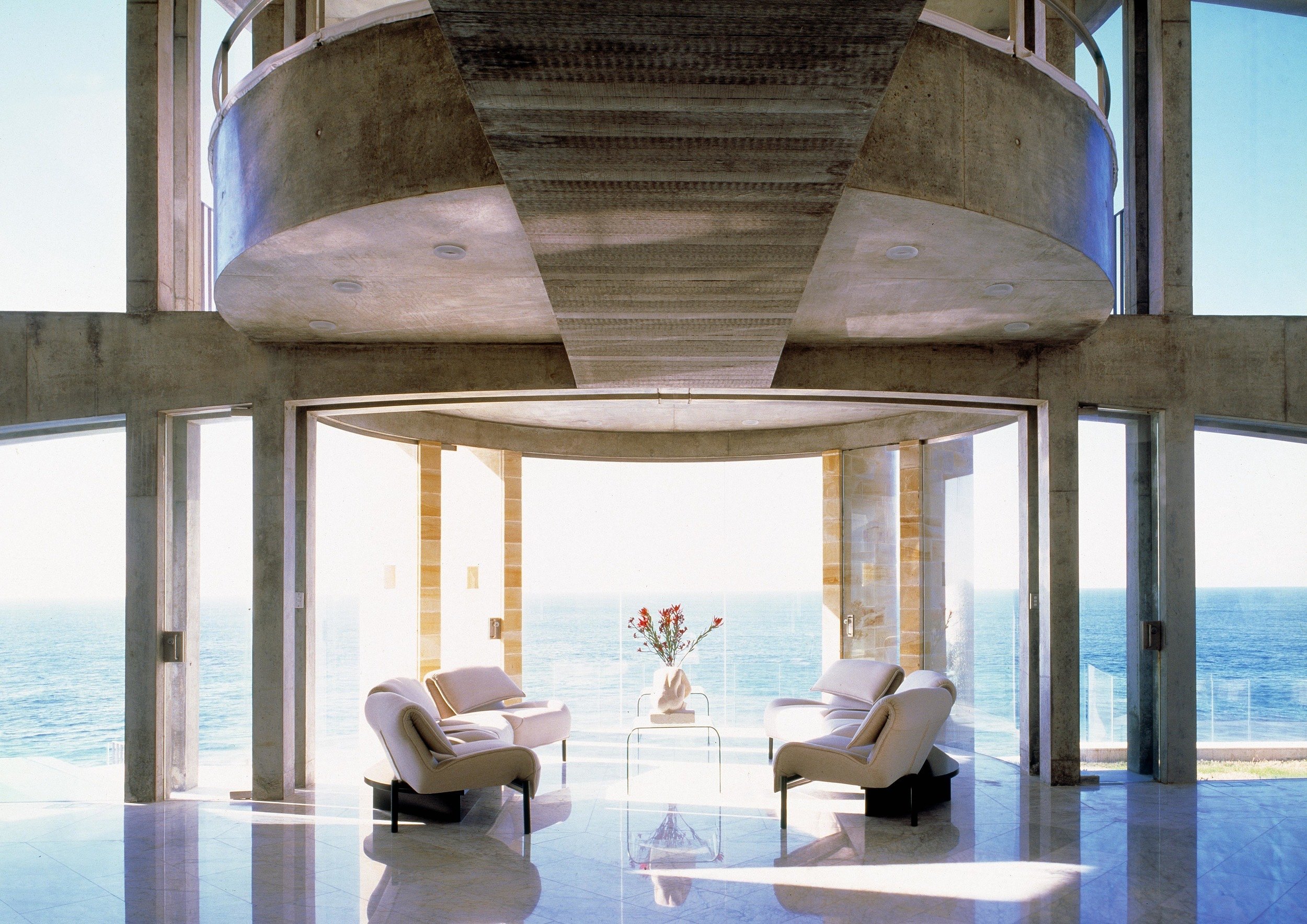
A coastal house conceived as a landmark object, using classical cues, in-situ concrete, and sandstone to create a durable, monumental domestic form.